“Metabolic flexibility and weight loss after 30″ – The modern digital landscape is saturated with reductionist dietary trends that promise rapid changes in body composition at the expense of systemic health. For individuals navigating the physiological transitions of their fourth decade, these superficial, calorie-crushing protocols often trigger a dangerous cycle of metabolic adaptation, muscle wasting, and accelerated biological aging. True physical optimization requires looking past the routine internet recipes and short-term “miracle” resets.
Shifting the biological paradigm from temporary deprivation to cellular longevity transforms how the human body processes energy. Achieving sustainable weight loss and longevity after 30 is not an act of starvation; it is the deliberate orchestration of cellular pathways. By aligning nutritional inputs with genetic signaling, we can stimulate fat loss while simultaneously preserving telomere length, optimizing mitochondrial health, and cultivating a resilient, youthful phenotype, where it happens.
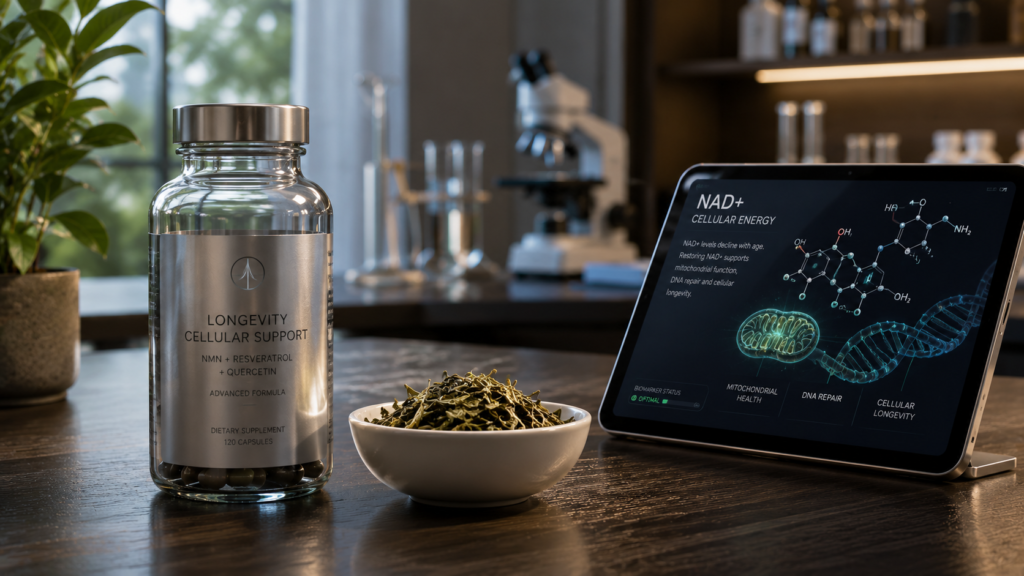
1. The Mitochondrial Reset: Restoring Metabolic Flexibility and Weight Loss After 30
At the core of human metabolism and aging sits a delicate biochemical balance between two master regulators: mTOR (mammalian target of rapamycin) and AMPK (AMP-activated protein kinase). Chronic overnutrition and frequent carbohydrate consumption keep mTOR continuously upregulated. While mTOR is essential for muscle hypertrophy, its permanent activation suppresses cellular cleanup and locks adipocytes, making fat mobilization incredibly difficult as the body ages.
Conversely, activating AMPK triggers a biological shift toward energy conservation, fat oxidation, and cellular repair. Restoring balance to this enzymatic pathway is the true foundation of sustainable weight loss and longevity after 30. By strategically activating AMPK without inducing chronic nutritional stress, we signal the body to clear out intracellular debris, utilize stored adipose tissue for survival, and downregulate the systemic inflammation that drives middle-age weight gain.
2. Activating Autophagy: Upgrading the Internal Waste Disposal System:
Standard internet diets focus strictly on scale weight, completely ignoring the buildup of cellular waste that occurs after age 30. Over time, cells accumulate damaged proteins, dysfunctional mitochondria, and metabolic byproducts that impair cellular communication and slow down the basal metabolic rate.
Autophagy is the body’s evolutionary mechanism for identifying, degrading, and recycling these compromised cellular components. When autophagy is suppressed by constant eating and high insulin levels, the body loses its structural efficiency, accelerating biological aging and fat storage. Prioritizing protocols that trigger autophagy ensures sustainable weight loss and longevity after 30. This internal cellular renewal clears out sluggish, senescent cells and replaces them with highly efficient, metabolically active units that burn energy effortlessly.
3. Mitigating Inflammaging and Protecting the Telomeric Cap:
The gradual gain of abdominal fat after 30 is intimately linked to a clinical state known as “inflammaging”—a chronic, low-grade sterile inflammation that develops as the immune system matures. Visceral fat cells act as endocrine organs, secreting inflammatory cytokines like IL-6 and TNF-alpha. These cytokines damage surrounding tissues and accelerate the shortening of telomeres, the protective caps on our chromosomes that dictate lifespan.
Breaking this destructive cause-and-effect loop requires a highly sophisticated nutritional approach. Traditional starvation diets cause severe physiological stress, which actually increases cortisol and worsens systemic inflammation. Securing sustainable weight loss and longevity after 30 demands specific dietary substrates that neutralize oxidative stress. This biochemical protection calms the immune system, stabilizes telomere degradation, and stops the inflammatory signaling that triggers defensive fat storage around vital organs.

4. Caloric Restriction Mimetics and Advanced Bio-Density Protocols:
Escaping the cycle of generic internet advice means using advanced nutritional science to trick the body into a state of repair without causing long-term nutrient deficiencies. This is achieved through the strategic application of Caloric Restriction Mimetics (CRMs) and targeted physical stressors.
- Polyphenolic CRM Integration: Utilizing natural compounds like Resveratrol, Quercetin, and Berberine mimics the genetic pathways of fasting, activating sirtuins (SIRT1) to stimulate mitochondrial biogenesis and fat loss.
- Biomimetic Fasting Windows: Implementing structured periods of protein-restriction or intermittent nutrient scarcity forces the upregulation of fat-burning genes while completely protecting lean skeletal muscle mass.
- High-Load Mechanical Tension: Engaging in brief, intense resistance training stimulates localized growth factors that preserve muscle architecture, ensuring the metabolism remains elevated even during fat loss phases.
These advanced interventions completely transform the human bioreactor. Instead of fighting the body’s natural processes with unsustainable restriction, these protocols optimize cellular communication, driving deep fat oxidation while preserving youthful vitality.
Conclusion: The Alignment of Healthspan and Lifespan:
True metabolic mastery after age 30 is achieved when the pursuit of physical leanness aligns perfectly with the science of cellular longevity. This is Metabolic flexibility and weight loss after 30. When you stop chasing temporary weight loss and start focusing on reducing inflammation, activating autophagy, and restoring enzymatic balance, your body naturally sheds excess fat. This shift marks the transition from short-term dieting to long-term cellular autonomy, ensuring a lean physique, vibrant energy, and a preserved biological youthspan.
Medical Disclaimer: The information on this website is for educational and informational purposes only and is not intended as medical advice. The content regarding autophagy, fasting physiology, AMPK activation, mitochondrial signaling, and cellular longevity pathways is based on current scientific research but should not be used to diagnose, treat, or prevent any health condition. Always consult with a qualified healthcare professional or physician before beginning any fasting protocol, supplementation strategy, or metabolic intervention. Reliance on any information provided by slimafter30s.com is solely at your own risk.