Inflammation and Weight Gain After 30: Why Chronic Inflammation After 30 Accelerates Weight Gain?
Inflammation and weight gain after 30 are deeply connected through hormonal imbalance, insulin resistance, cortisol dysregulation, and metabolic dysfunction. Many adults unknowingly develop chronic low-grade inflammation that silently affects fat storage, appetite regulation, energy production, and long-term metabolic health.
Modern longevity research suggests that chronic inflammation may be one of the major hidden drivers behind stubborn abdominal fat and difficulty losing weight after age 30.
Understanding how inflammation affects metabolism may help explain why traditional calorie-focused dieting often fails.
1. How Inflammation and Weight Gain After 30 Are Connected:
Inflammation is a natural immune response designed to protect the body.
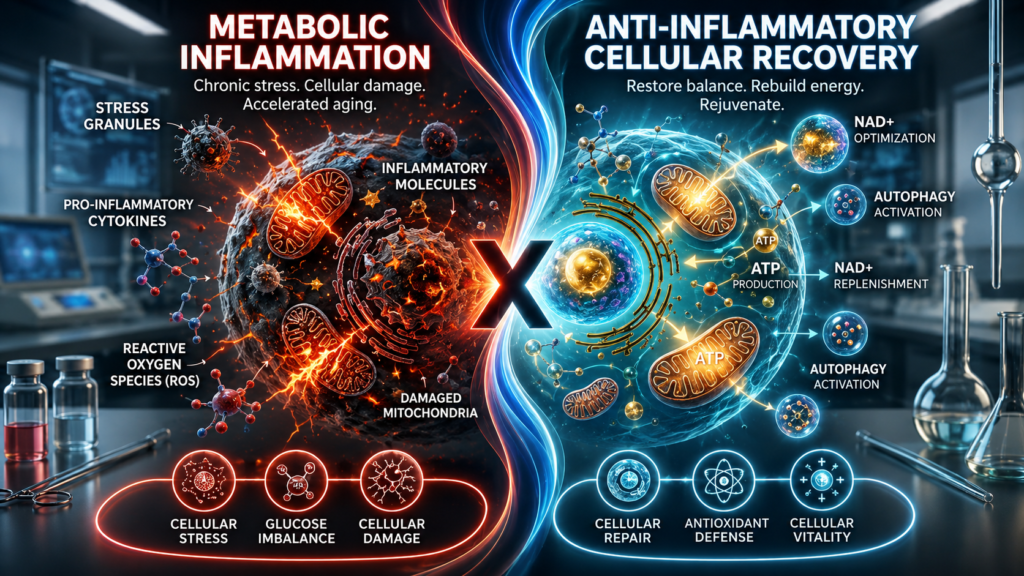
However, chronic low-grade inflammation creates continuous metabolic stress that may impair:
- insulin sensitivity;
- hormonal balance;
- mitochondrial function;
- and fat metabolism.
Inflammation and weight gain after 30 often become interconnected because inflammatory signaling affects how the body stores and burns energy.
This inflammatory state may contribute to:
- abdominal fat accumulation;
- fatigue;
- cravings;
- slower metabolism;
- and reduced metabolic flexibility.
According to the NIH – Chronic Inflammation and Disease, chronic inflammation is associated with obesity, cardiovascular disease, metabolic syndrome, and accelerated aging.
2. Why Chronic Stress Increases Inflammation After 30:
One of the strongest contributors to inflammation after 30 is chronic psychological stress.
Long-term cortisol elevation activates inflammatory pathways throughout the body.
Over time, chronic stress may:
- increase visceral fat;
- impair insulin sensitivity;
- disrupt sleep;
- and worsen hormonal imbalance.
This creates a vicious metabolic cycle where:
stress increases inflammation,
and inflammation further impairs metabolic health.
Additionally, poor nervous system recovery contributes to:
- appetite dysregulation;
- emotional eating;
- and metabolic fatigue.
3. How Processed Foods Trigger Inflammation and Weight Gain After 30:
Highly processed foods may significantly increase inflammatory activity within the body.
Common dietary triggers include:
- refined sugars;
- ultra-processed carbohydrates;
- industrial seed oils;
- excessive alcohol;
- and heavily processed foods.
These foods may disrupt:
- gut microbiome balance;
- insulin signaling;
- and immune regulation.
Harvard researchers highlight that anti-inflammatory dietary patterns rich in whole foods may significantly improve long-term health outcomes. Harvard – Foods That Fight Inflammation
Chronic inflammation also contributes to insulin resistance, making fat burning less efficient. Studies available through PubMed – Inflammation and Obesity demonstrate strong associations between obesity, inflammatory cytokines, and metabolic dysfunction.
4. Natural Strategies to Reduce Inflammation After 30:
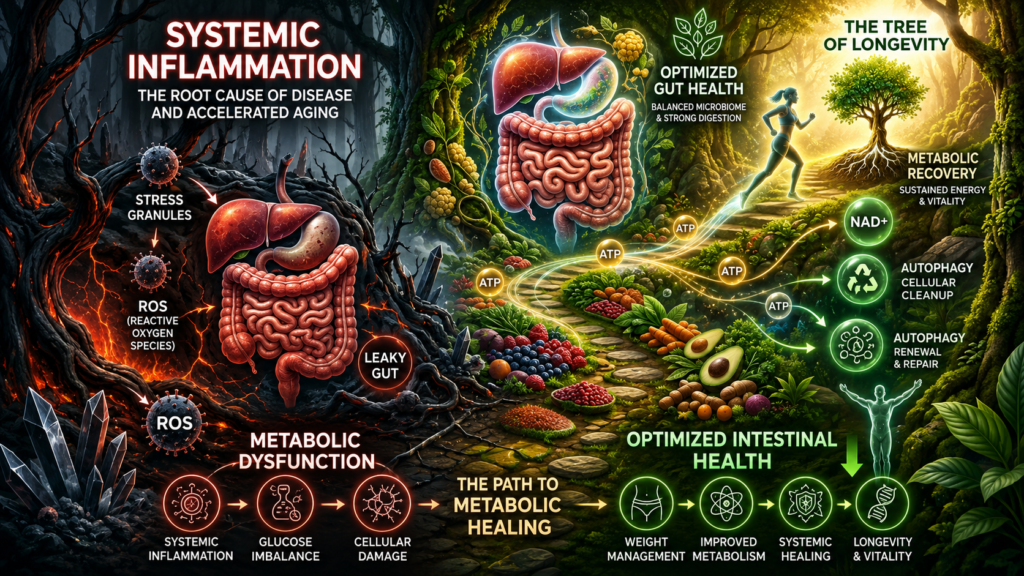
Reducing inflammation after 30 often requires a comprehensive lifestyle approach rather than extreme dieting.
Anti-Inflammatory Nutrition
Whole foods rich in antioxidants and polyphenols may help regulate inflammatory pathways.
Examples include:
- berries;
- olive oil;
- green tea;
- turmeric;
- fatty fish;
- leafy greens;
- and walnuts.
Resistance Training
Exercise improves:
- insulin sensitivity;
- mitochondrial function;
- circulation;
- and inflammatory regulation.
Resistance training also helps preserve lean muscle mass, which becomes increasingly important after age 30.
Sleep Recovery
Poor sleep strongly contributes to inflammatory signaling and cortisol dysregulation.
Deep restorative sleep supports:
- hormonal repair;
- metabolic resilience;
- and immune balance.
Read also:
- Why Poor Sleep After 30 Makes Fat Loss Almost Impossible
Stress Management
Meditation, breathwork, sunlight exposure, and nervous system recovery strategies may help reduce chronic cortisol elevation.
Lower cortisol often improves:
- inflammation;
- cravings;
- abdominal fat storage;
- and metabolic recovery.
Omega-3 and Polyphenols
Omega-3 fatty acids and polyphenol-rich foods may support anti-inflammatory signaling pathways and metabolic resilience.
These compounds are widely studied within longevity and functional medicine research.
Conclusion:
Inflammation and weight gain after 30 are closely connected through a complex interaction involving:
- cortisol;
- insulin resistance;
- hormonal imbalance;
- poor sleep;
- stress;
- and metabolic dysfunction.
For many adults, stubborn fat gain is not simply about eating too many calories.
It may reflect a deeper inflammatory and metabolic imbalance.
Addressing inflammation through:
- nutrition;
- sleep;
- exercise;
- stress regulation;
- and recovery,
may significantly improve metabolic health and long-term body composition after age 30.
Medical Disclaimer: This article is for informational purposes only and should not be considered medical advice. Always consult a healthcare professional before making health-related decisions.
Pingback: Gut brain axis weight loss after 30